Understanding Hand, Foot, and Mouth Disease in Children: A Parent's Guide
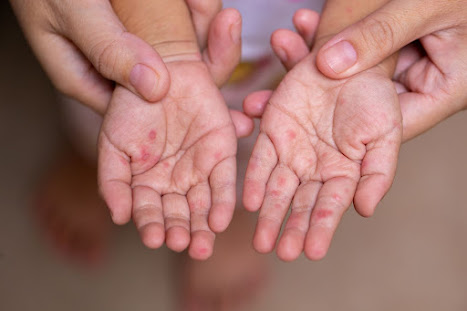
As a parent, witnessing your child wake up with a slight fever and unusual spots on their hands, feet, and inside their mouth can be distressing. Is it hand, foot, and mouth disease (HFMD)? Understanding this common childhood illness is vital as you navigate the early years of your little one's life. In this guide, we'll delve into the ins and outs of HFMD, shedding light on its causes, symptoms, contagiousness, duration, and management. Stay tuned to equip yourself with the knowledge needed to protect your child from the threat of HFMD.
What is Hand, Foot, and Mouth Disease?
Hand, foot, and mouth disease (HFMD) is a viral illness that primarily affects infants and children under the age of five. It is characterized by the presence of sores on the hands, feet, and inside the mouth. The main culprits behind HFMD are the Coxsackievirus A16 and Enterovirus 71, both of which spread through direct contact with an infected person's saliva, mucus, or feces.
How Contagious is Hand, Foot, and Mouth Disease?
HFMD is highly contagious, spreading through close personal contact, respiratory droplets, and contact with contaminated surfaces. This makes children in daycare settings or schools particularly vulnerable due to the close proximity and shared surfaces. Vigilance and preventive measures are essential to curb its transmission.
Preventive Measures
Practicing good hygiene is paramount in preventing the spread of HFMD. Encourage regular handwashing with soap and water, advise children to avoid close contact with infected individuals, and ensure that commonly touched surfaces are disinfected regularly.
Hand, Foot, and Mouth Disease: The Early Stages
Early detection of HFMD is crucial for effective management. Look out for symptoms such as fever, sore throat, and general malaise. Soon after, small red spots or sores may appear on the hands, feet, and inside the mouth, often accompanied by a rash. The incubation period for HFMD typically ranges from three to six days, during which the virus silently multiplies within the body.
Duration of Hand, Foot, and Mouth Disease
HFMD usually runs its course in about a week, but the duration can vary. Prompt medical attention is essential, especially if complications arise.
Managing HFMD Symptoms: A Parent’s Action Plan
Equipping yourself with the knowledge to manage HFMD symptoms is essential. Here's an action plan to help you navigate through this challenging time:
1. Prioritize Hygiene Practices
Teach your child the importance of frequent handwashing using soap and water for at least 20 seconds. Regularly disinfect commonly touched surfaces, toys, and play areas to reduce the risk of transmission.
2. Provide Comfort During Fever and Sore Throat
Ensure your child stays well-hydrated by encouraging water intake and providing soothing fluids like popsicles and warm soup. Consult with your pediatrician for age-appropriate fever-reducing medications to alleviate pain and reduce fever.
3. Choose Comfortable Clothing
Dress your child in loose, breathable clothing to minimize irritation on the rash or sores. Breathable fabrics can help keep them cool and comfortable.
4. Encourage Rest
Allow your child ample rest to aid in their recovery. A well-rested child is better equipped to combat the virus and expedite recovery.
5. Monitor Symptoms Closely
Keep a close eye on your child's symptoms, and seek medical attention promptly if you notice any complications, such as difficulty breathing or persistent high fever.
In conclusion, understanding hand, foot, and mouth disease is crucial for parents as they navigate the challenges of raising young children. By staying informed and implementing preventive measures and effective management strategies, you can help your child overcome HFMD and promote their well-being. For comprehensive medical care and guidance, consider consulting Claris Hospital Chhindwara, where dedicated healthcare professionals are committed to providing the best possible treatment for your child's health needs. Visit Claris Hospital Chhindwara today to ensure your child receives the care they deserve.ck-up at Claris Hospital today and take control of your health.