Thyroid Problems: Symptoms, Causes, Tests & Treatment | Claris Hospital Chhindwara
Thyroid Problems: Symptoms, Causes, Tests and Treatment
The thyroid is a small, butterfly-shaped gland located at the front of the neck, but it plays an important role in maintaining the body's overall health. Thyroid hormones help regulate metabolism, energy use, heart function and several other essential processes.
When the thyroid gland produces too much or too little hormone, it can affect how the body functions. Some people experience tiredness, unexplained weight changes or mood changes, while others may notice a swelling in the neck.
Understanding the symptoms of thyroid problems can help you recognise when it may be time to consult a doctor.
What Is the Thyroid Gland?
The thyroid gland is part of the endocrine system, which produces hormones that regulate different body functions. It produces hormones, including thyroxine (T4) and triiodothyronine (T3), that influence how the body uses energy.
Thyroid disorders generally include an underactive thyroid (hypothyroidism), an overactive thyroid (hyperthyroidism) and structural problems such as thyroid enlargement or nodules.
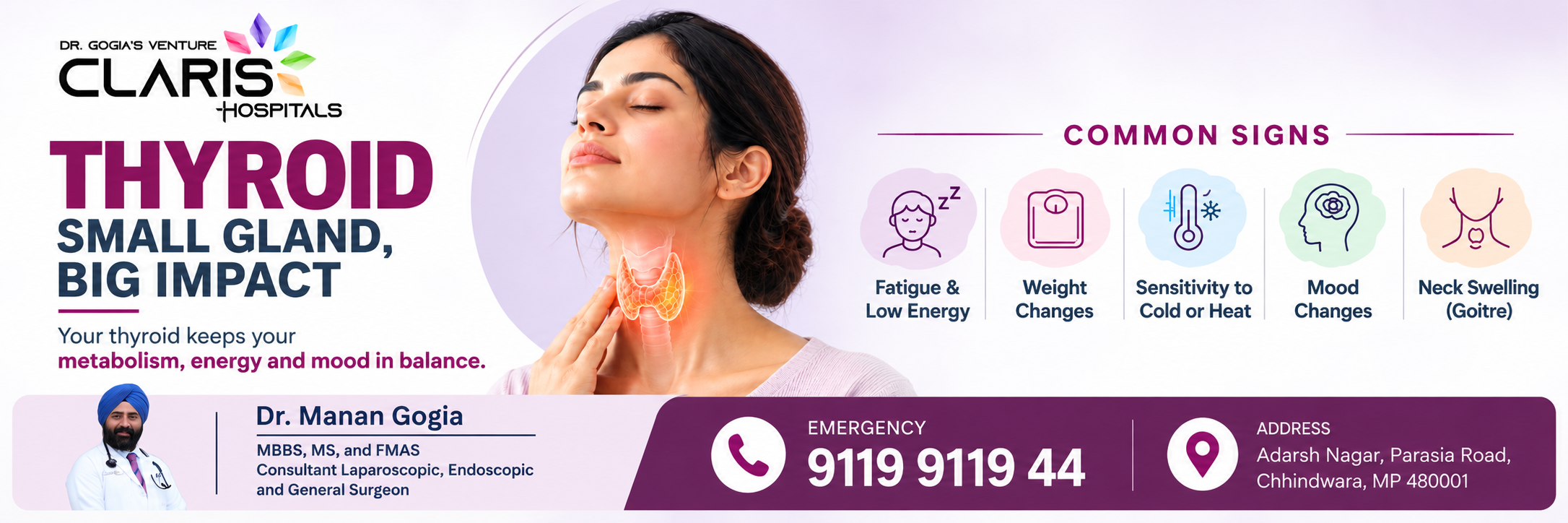
5 Common Signs and Symptoms of Thyroid Problems
Thyroid symptoms can vary depending on whether the gland is underactive or overactive. The following signs may indicate a thyroid problem, although they can also occur due to other health conditions.
1. Fatigue and Low Energy
Persistent tiredness, low energy and difficulty concentrating may occur when thyroid hormone levels are too low. Some people also experience increased sleepiness or feel unusually sluggish despite getting adequate rest.
However, fatigue alone does not confirm a thyroid disorder. Anaemia, sleep problems, nutritional deficiencies and other medical conditions can cause similar symptoms.
2. Unexplained Weight Changes
Thyroid hormones influence metabolism, so changes in thyroid function can affect body weight.
An underactive thyroid may contribute to weight gain, while an overactive thyroid may cause unintentional weight loss. The amount of weight change varies from person to person, and diet, activity levels, medicines and other health conditions also play a role.
Unexplained or persistent weight changes should be discussed with a healthcare professional rather than automatically attributed to the thyroid.
3. Sensitivity to Cold or Heat
People with hypothyroidism may feel unusually cold, even when others are comfortable. Those with hyperthyroidism may experience excessive sweating or feel uncomfortable in warm conditions.
These differences can be related to the way thyroid hormones influence metabolism and heat production. If temperature sensitivity is persistent or accompanied by other symptoms, medical evaluation may be helpful.
4. Mood Changes
Thyroid disorders can affect emotional well-being and mental functioning.
An underactive thyroid may be associated with low mood, reduced concentration or slowed thinking. An overactive thyroid may contribute to anxiety, irritability, restlessness or difficulty sleeping.
Mood changes have many possible causes, so a proper assessment is important before linking them to thyroid function.
5. Neck Swelling or Goitre
A visible swelling at the front of the neck may indicate enlargement of the thyroid gland, commonly called a goitre. Thyroid nodules can also produce a lump or swelling.
Not every thyroid enlargement causes abnormal hormone levels, and not every neck lump originates in the thyroid. A new, persistent or enlarging neck swelling should be examined by a doctor.
Seek urgent medical attention if neck swelling causes difficulty breathing or swallowing.
What Causes Thyroid Problems?
Thyroid disorders can develop for several reasons, including:
- Autoimmune conditions that affect the thyroid gland.
- Inflammation of the thyroid.
- - Iodine deficiency or excessive iodine intake in certain circumstances.
- - Thyroid nodules or enlargement.
- - Certain medicines and previous thyroid treatments.
- - Hormonal changes and other medical factors.
The underlying cause differs from person to person. A doctor may recommend specific investigations to understand the condition and determine appropriate treatment.
What Is the Difference Between Hypothyroidism and Hyperthyroidism?
Hypothyroidism occurs when the thyroid gland does not produce enough thyroid hormone. Common symptoms may include tiredness, sensitivity to cold, constipation, dry skin and weight gain.
Hyperthyroidism occurs when the thyroid gland produces too much thyroid hormone. Symptoms may include a rapid heartbeat, tremors, increased sweating, heat intolerance, anxiety and unintentional weight loss.
Some symptoms overlap, and individual experiences vary. Symptoms alone cannot reliably distinguish between these conditions; thyroid function tests are often needed.
Which Tests Are Used to Diagnose Thyroid Problems?
A doctor may recommend blood tests based on your symptoms, medical history and examination.
Common investigations include:
- TSH test: Measures thyroid-stimulating hormone and is commonly used as an initial assessment of thyroid function.
- Free T4 test: Helps assess the level of available thyroxine in the blood.
- T3 test: May be useful in selected cases, particularly when an overactive thyroid is suspected.
- Thyroid antibody tests: May help identify certain autoimmune thyroid conditions.
- Thyroid ultrasound: May be recommended when a thyroid nodule, neck swelling or structural abnormality needs evaluation.
Not everyone needs every test. Your doctor will decide which investigations are appropriate and explain what the results mean.
How Are Thyroid Problems Treated?
Treatment depends on the type of thyroid disorder, its underlying cause, symptom severity and individual health needs.
Hypothyroidism is commonly treated with thyroid hormone replacement medication. Hyperthyroidism may be managed with medicines, radioactive iodine treatment or surgery in selected cases. Thyroid nodules and goitre may require monitoring, further investigation or treatment depending on their characteristics and effects.
There is no single treatment suitable for every thyroid condition. Do not start, stop or change thyroid medication without medical advice, and avoid taking iodine supplements or thyroid remedies without discussing them with a healthcare professional.
When Should You Consult a Doctor?
Consider arranging a medical consultation if you experience:
- - Persistent fatigue or unexplained weight changes.
- - Ongoing sensitivity to cold or heat.
- - Unusual mood changes alongside other symptoms.
- - A lump or swelling at the front of your neck.
- - Persistent palpitations, tremors or excessive sweating.
- - Symptoms that continue, worsen or interfere with daily activities.
Seek emergency medical care for severe breathing difficulty, chest pain or a very rapid heartbeat accompanied by fainting or severe illness.
Frequently Asked Questions About Thyroid Problems
Can thyroid problems cause weight gain?
Yes. Hypothyroidism can contribute to weight gain, although the degree varies. Weight gain can also result from several other causes, so testing and clinical assessment may be necessary.
Can thyroid problems occur without obvious symptoms?
Yes. Some thyroid disorders cause mild or nonspecific symptoms, and others may be detected through blood tests before noticeable symptoms develop.
Is a blood test enough to diagnose every thyroid problem?
Blood tests are important for evaluating thyroid function, but additional investigations, such as an ultrasound or antibody tests, may be needed depending on the suspected condition.
Does every thyroid problem require lifelong medication?
No. Treatment duration depends on the diagnosis and its cause. Some conditions require long-term medication, while others may resolve or need only monitoring or a different form of treatment.
Can thyroid problems be managed successfully?
Many thyroid disorders can be managed effectively with appropriate treatment and follow-up. The treatment plan and monitoring schedule depend on the individual diagnosis.
Thyroid Health Information at Claris Hospital, Chhindwara
Recognising persistent symptoms and seeking appropriate medical advice can help identify thyroid disorders and other possible causes of your symptoms.
Claris Hospital is located at Adarsh Nagar, Parasia Road, Chhindwara, Madhya Pradesh 480001.
For emergencies, call 9119 9119 44.
If you have concerns about thyroid symptoms, consult a qualified healthcare professional for an appropriate evaluation.
Medical disclaimer: This article is intended for general educational purposes and does not replace professional medical advice, diagnosis or treatment. Symptoms alone cannot confirm a thyroid disorder. Please consult a qualified healthcare professional for individual guidance.