Debunking Common Myths About Newborn Care: Providing Accurate Guidance for Parents
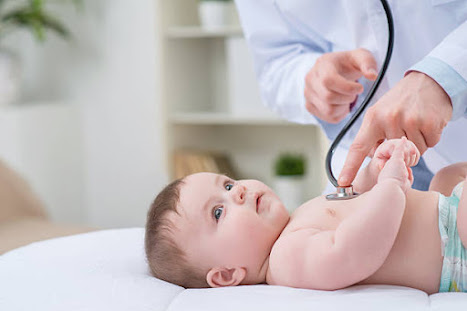
Welcoming a newborn into the family is a joyous occasion, but it also comes with its fair share of uncertainties, especially for first-time parents. Amidst the excitement and challenges of caring for a newborn, it's essential to sift through the plethora of advice and information available to ensure that you're making informed decisions. Let's debunk some common myths surrounding newborn care to help you navigate this journey with confidence and clarity.
1. Myth: More Milk Is Better
One of the primary concerns for parents revolves around whether their newborn is getting enough nourishment. While it's crucial to ensure that your baby is adequately fed, there's a misconception that more milk equates to better health. However, overfeeding can lead to discomfort, digestive issues, and unhealthy eating habits in the long run.
Babies have a remarkable ability to regulate their intake and signal when they're full. Rather than focusing on quantity, pay attention to your baby's cues during feeding. Stop feeding when your baby shows signs of being satisfied, rather than trying to force them to finish a bottle. Trust your baby's instincts and feed them until they indicate that they've had enough.
2. Myth: Hearing Loss Can’t Be Detected Early
There's a misconception that newborns don't need to have their hearing tested immediately after birth because their ears are still developing. However, advancements in technology have made it possible to assess an infant's hearing health soon after delivery. In fact, the National Institute of Health recommends that 95% of babies undergo a hearing test within the first month of birth.
Early detection of hearing loss is crucial as it enables timely intervention and support. By identifying potential hearing issues early on, parents can take proactive steps to ensure their child receives the necessary care and support for optimal development.
3. Myth: Shoes are Important for Newborns
Newborns' feet may seem delicate and vulnerable, leading some parents to believe that shoes are necessary to protect them. However, contrary to popular belief, shoes are not essential for newborns and may even hinder their development. Babies' feet need room to move and grow naturally to strengthen muscles and bones.
Instead of shoes, opt for soft, flexible booties or socks to keep your baby's feet warm and protected. These alternatives allow for unrestricted movement and ensure that your baby's feet develop properly without any constraints.
4. Myth: Newborns Should Sleep on Their Stomachs
There's a persistent myth that placing newborns on their stomachs while sleeping reduces the risk of choking. However, this practice is not only false but also poses a significant safety hazard. The American Academy of Pediatrics recommends that infants sleep on their backs to reduce the risk of sudden infant death syndrome (SIDS).
Back sleeping is the safest position for newborns as it helps maintain an open airway and reduces the likelihood of respiratory issues. Ensure that your baby's sleep environment is free from hazards and follow safe sleep practices recommended by healthcare professionals.
As you embark on this journey of parenthood, it's essential to seek reliable and evidence-based information to guide you in caring for your newborn. Trusted resources, healthcare providers, and parenting classes can offer invaluable support and guidance as you navigate the joys and challenges of raising a child.
For personalized guidance and expert advice on newborn care, consider reaching out to Claris Hospital Chhindwara. Our team of experienced healthcare professionals is dedicated to providing comprehensive care and support for you and your precious little one. Contact us today to learn more about our services and how we can assist you on your parenting journey. Visit Claris Hospital Chhindwara for expert newborn care!