Conquering Seasonal Allergies: Practical Tips for Allergy Relief
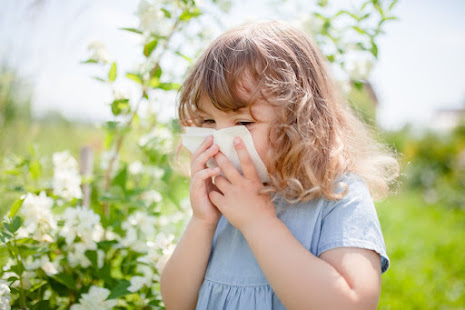
As we welcome the joys of fall, we also brace ourselves for the return of seasonal allergies. For some unfortunate individuals, this time of year brings not just crisp air and falling leaves, but also the dreaded onslaught of allergy symptoms. Here's your comprehensive guide to tackling environmental allergies like a pro, without solely relying on medication. Plus, don't forget to explore our new free download in the guides section, highlighting 10 non-medication solutions for allergies.
Understanding Allergies
Allergies occur when our immune systems go into overdrive in response to triggers. Immunoglobulin E (IgE) antibodies prompt mast cells to release histamine, sparking the familiar symptoms of allergies. While some children are genetically predisposed to allergies, they can also develop them without a family history.
Common Allergy Symptoms
Symptoms of allergies can vary from person to person and may evolve over time. Here are some typical signs to watch out for:
- Nasal congestion and runny nose (known as allergic rhinitis)
- Sneezing
- Headaches and sinus pressure
- Sore or itchy throat, often worse in the morning
- Skin rashes, including exacerbated eczema
- Itchy, watery, swollen, or red eyes
- Dark, puffy circles under the eyes (allergic shiners)
- Coughing or wheezing
- Fatigue, often due to disrupted sleep caused by allergy symptoms.
Identifying Allergy Triggers
Allergies can be triggered by a wide range of substances. The most common environmental allergens for children include:
- Dust mites
- Mold
- Pollen from trees, weeds, and grasses (with ragweed allergies peaking in late summer and early fall)
- Pets
- Cockroaches
Symptoms typically peak in spring and fall, aligning with high pollen counts.
Treatment Options
While many over-the-counter allergy medications are available and highly effective when used consistently, it's important not to underestimate the impact of allergy symptoms on quality of life. However, nasal decongestants, cough suppressants, and expectorants are not recommended for children due to potential side effects, including drowsiness, upset stomach, seizures, increased heart rate, and rebound symptoms.
Non-Medication Strategies
Minimizing exposure to allergens is key to managing symptoms effectively. Our free download in the guide section provides practical tips for reducing exposure to triggers, offering alternative solutions beyond medication.
When to Seek Allergy Specialist
While most allergy cases can be managed by a pediatrician, it's essential to trust your instincts as a parent. Consult your pediatrician if you have any concerns about your child's symptoms. Allergists may be brought in for severe or persistent allergies that disrupt daily life, and immunotherapy (allergy shots) can be beneficial in such cases.